
[BLOG] 문화유산희 큰 뜻 / The Big Meaning of Cultural Heritage
- Jina Nam
- Feb 9, 2024
- 6 min read


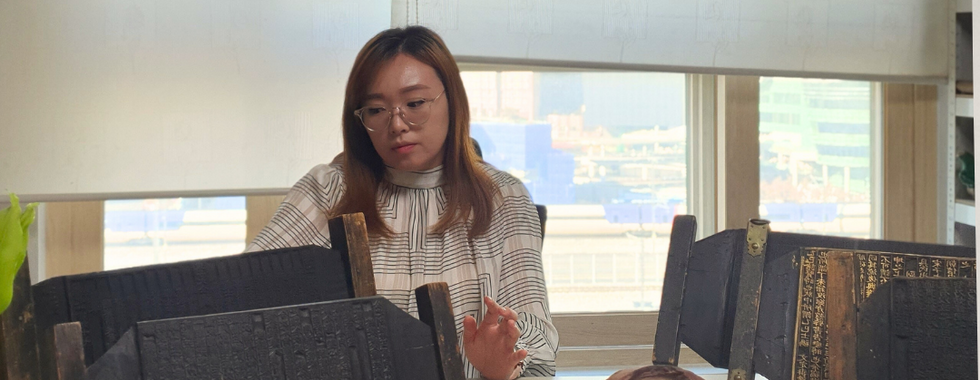



문화유산회복의 큰 뜻
코로나19 팬데믹이란 전세계적인 혼란 속, 나는 마오리족의 미라 머리가 독일에서 뉴질랜드로 반환되었다는 소식을 읽고 있을거라곤 상상도 못했다. 마오리족은 얼굴에 문신을하는 자랑스럽고 영광스러운 정통이 있던 반면, 19세기 유럽인들은 이를 신기하게 생각하고 사람의 머리를 수집하기 시작했다. 오늘날이 되서야 이 잔인한 행위의 잘못됨을 인지하고 유골을 고향으로 보내고 있다는 것이었다. 그렇게 자가격리 중 나는 컴퓨터 앞에 앉아 새로운 역사를 알게 되었고, 인간의 잔인함을 다시 한번 느꼈고, 그럼에도 우리가 역사에 대해서 반성하고 회개 할 수 있다는 희망을 가지며 ‘문화재 반환’을 통한 새로운 미래를 볼 수 있었던 계기가 되었다.
(재)문화유산회복재단에 합류하면서 맡은 첫번째 업무는 문화재 반환이란 세계적인 추세와 이것이 외교에 미치는 영향을 다양한 성공과 실패 사례를 보며 책을 쓰는것이었다.
나는 심리학과 외교학을 공부했지만 문화재반환, 문화유산회복이란 생소한 분야를 맨땅에 헤딩하며 접했다. 닥치는데로 많은 사연들을 보며 무엇이 언제 어떻게 반환되고, 어떤 방식으로 환수가 되었으며, 애초에 그 유산이 어떻게 반출되었는지 분석을 해보았다. 그리고 여기에 엮긴 중요한 질문을 하기 시작했다: 이 뜻은 무엇인가? 정서적으로, 정치적으로, 문화유산을 다시 찾는다는 것은 어떤 의미가 있나?
문화유산회복은 오래된 과거의 일을 다루고 있는 주제지만 새로운 분야이다. 문화유산을 원상회복한다는 것은 비교적 현대적인 현상이며 이를 연구하고 바라보는 기존 자료가 부족했다. 지금까지 공부해온 심리학과 국제학 내용을 바탕으로 주제를 다루면서 내 개인적인 관념과 사고방식에 대해 냉철하게 맞닥드리면서 고민하게 되었다. 과거의 윤리에 의하면 윤리적인 행동이 오늘날 비윤리적이고 틀린 행동이라고 하면, 어떻게 올바르게 하면 되는가? 그리고 이러한 노력은 중요하고 의미가 있나?
중요하다. 의미가 있다. 오늘날 세계적인 박물관 수장고들에는 수천개의 유산이 정리와 연구가 안되어 있고, 세상밖에 나오지 못하고 있다는 사실도 중요하다. 아프리카 대륙의 유산 절반 이상이 해외에 빼앗긴 상태라는 것, 본인들의 역사와 정체성 일부에 대해 들어보거나 보지도 못한다는 사람들이 그렇게 많다는 것에는 큰 의미가 부여된다. 아직도 사실상 전쟁 중인 한반도의 남한과 북한은 일본에 빼앗긴 ‘북관대첩비’라는 유산을 위해 협력을 할 수 있다는 것도 의미가 있다. 전쟁이란 과거의 일이 아닌 지금도 일어나고 있으며, 그 중에서도 본인들의 역사문화유산을 보존하기 위해 많은 것을 희생하는 박물관 직원들, 그게 우크라이나이던 시리아던, 그런 일이 지금 벌려지고 있다는 것도 중요하다. 21세기에 이처럼 발달하고 앞선 글로벌 사회가 과거의 트라우마로 인해 발목 잡히고 고통스러워 한다는 것도 뜻깊다.
그래서 나는 유럽 박물관에 가서 중국 또는 일본 유산이 아니라고 판단되면 무조건 한국 전시품에 같이 넣어놓고 있다는 현실, 캄보디아 사찰에서 도난되어 머리가 잘라진 불상들을 외국 기관들에 전시되어 있는 것을 볼때, 전시되어 있는 유산의 온전한 역사와 내력이 공유되지 않는 것들을 보며 오늘날 우리 시대와는 맞지 않는 상징들이라고 본다. 학술적인 관심과 의무 외로 문화유산의 회복은 자존감과 정체성의 회복이고, 역사를 전체적으로 바라 보는 것이고, 과거의 행위가 오늘날까지 어떠한 영향을 미치고 있는지 이해할 수 있는 중요한 기회이다. 그래서 문화재 반환이던 잘못된 역사기재를 올바르게 수정하는 의미로서의 문화유산 회복이던, 힘들고 어렵지만 굳이 과거의 아픔을 오늘날에 와서야 치유한다는 것은 중요한 일이고 집중이 필요한 일이다.
오늘날 국제사회에 한국의 역사문화유산을 중국 또는 일본의 것이 아니고 한국의 것이라도 제대로 표기하라고 목소리내어 주장하는 것도 의미가 있는 일이다. 한국이 지금까지 어떠한 역사를 걸쳐 이렇게 발전했는지 그리고 이렇게 발전한 국가가 되돌려 국제사회에 리더로서 어떠한 영향을 미칠 수 있는 보여주는 기회이다. 세계 최초의 철자본이 ‘직지심체요절’이라고 알리는 학술적인 의무도 한국의 기술적인 정통성을 내세우는 반면 사실상 ‘직지’는 프랑스가 소장하고 있다는 것도 우리 역사와 이야기에 새로운 면을 보여준다.
“문화재 반환: 상징적 외교”를 쓸때 문화유산회복이란 새로운 현상을 공부하며 많은 시간을 보냈지만, 이를 통해 정말 얼마나 많은 사람들, 민족들, 국가들 그리고 분야들이 ‘문화유산’의 영향을 받는지 보게 되었다. 처음에는 유물 하나가 좀 더 많은 관심을 받게 되면서 원상회복이 되는 과정을 통해, 하나의 작은 움직임이 큰 파동을 일으켜 역사와 문화라는 큰 그림을 보게 되는 영향력을 가지고 있다는 것이다.
The Big Meaning of Cultural Heritage Restoration
The return of mummified heads in the midst of the COVID pandemic was the last thing I expected to be spending my time reading about during lockdown. But there I was, learning about how the Maori had an honorable tradition of tattooing their faces, which were then sought after as collectibles by Europeans in the 19th century. It was a new insight into a part of human history I had not been aware of, a reminder of the brutality we can carry out as a race, a sign of hope that we can reflect and repent, and a glimpse into what a new future could hold.
Joining the Cultural Heritage Restoration Foundation (CHRF) team started with the mountainous task of trying to understand the growing momentum of cultural artifact repatriation in the international world and what effects this has by taking a look at the unique cases that had already happened, along with those that had failed.
I dove in head first into the deep end. What was being returned, by whom, and why? How was it being returned? Was it a loan or a permanent return? How did the artifact leave in the first place? What does this all mean, emotionally and politically?
This field of study was new: it was a matter that dealt with ancient events but the act of restoring heritage was such a ‘new’ thing in terms of policy and growing movement, that I couldn’t look to previous thought or resources. I had to rely on my training in psychology and international relations, all the while being confronted with my own convictions regarding morality and awareness. What do we in a time when what used to be the norm is now considered wrong? How do we make it right? Does it matter?
Yes, it does. It matters that there are thousands of artifacts that remain improperly categorized and researched, not seeing the light of day, in world museums and institutions. It matters that more than half of Africa’s heritage lies outside of their borders where many have little to no access to explanations of who they are. It matters that a slab of rock with carved inscriptions of a famous historical event was dragged from the Korean peninsula to Japan, cast aside and placed a 1,000kg-burden on top of it, only to be rediscovered by Koreans and brought back to its rightful place through the collaboration of North and South Korea, two countries technically still at war. It matters that museum staff are making sacrifices to protect their heritage from destruction and loot in times of conflict and war, whether it’s in Ukraine or Syria. It matters that as a global society we seem to have progressed so much, come so far, yet find ourselves still held back and affected by traumas of the past.
So when I go to a museum in Europe and see that artifacts that are not Chinese or Japanese are simply dumped into Korea’s section, when I see religious statues from Cambodia’s temples beheaded and displayed in foreign institutions, and when I see a lack of representation of the full story of an artifact and its historical context, I see the signs of things that are unfitting in our times. Academic curiosity and integrity aside, cultural heritage restoration is about the restoration of dignity and identity, understanding the full history and its implications for today, which are crucial to properly identifying our current situation - domestic and global - and setting ourselves up for collaborative success in the future. It’s painstaking to dig deep and restore what was hurt, especially hundreds of years ago, but its effects continue to this day so they must be addressed.
Korea demanding proper labels of the country’s heritage overseas is an important symbol and indicator of the progress the country has gone through despite a tumultuous history, and demonstrates the possibilities a fast-developed country can bring as a new leader on the global stage. The academic mission of making it known that the oldest written record of metalloid type is Korea’s “Jikji” elaborates the complex context of Korea, as the advanced technique speaks volumes about the country’s technological abilities while the present location of the Jikji being held in France tells another aspect of the story. Korea being celebrated for the modern contribution to pop culture and art in the momentum of the “K-Wave” is igniting demand for insight into historical stories and traditions that could offer a deeper understanding of Korea today because the world knows Korea is not just K-Pop or K-Beauty.
So when I wrote “Cultural Artifact Repatriation: Symbolic Diplomacy”, it took me a while to study this field that was not only new to me but the world, and to process the magnitude of just how many sectors and people this topic affects. It starts with a single artifact being shown just a little bit more care, being returned to its rightful place, a seemingly small piece of tile that begs the audience to look at the whole mosaic of history and culture.
![[먼데이타임스] 문화유산복지재단 남지은 연구원](https://static.wixstatic.com/media/20b402_1f4d52b5045140f1aa7cf78ed0d1d508~mv2.png/v1/fill/w_769,h_791,al_c,q_90,enc_avif,quality_auto/20b402_1f4d52b5045140f1aa7cf78ed0d1d508~mv2.png)
![[JTV뉴스] 조국혁신당 국민오디션 ⑥ 남지은 문화유산회복재단 연구원](https://static.wixstatic.com/media/20b402_376015da797e484a9b0107ba4dd5a4b4~mv2.png/v1/fill/w_768,h_713,al_c,q_90,enc_avif,quality_auto/20b402_376015da797e484a9b0107ba4dd5a4b4~mv2.png)
![[KBS대전] 숨겨진 문화유산을 회복하는 사람들 – 문화유산회복재단 / KBS대전 20240208 방송](https://static.wixstatic.com/media/20b402_3d45b399df9d4c32bd8ef11dca47de21~mv2.png/v1/fill/w_753,h_881,al_c,q_90,enc_avif,quality_auto/20b402_3d45b399df9d4c32bd8ef11dca47de21~mv2.png)