
[BLOG] "폴란드에서 온 지나 / Jina from Poland"
- Jina Nam
- Feb 6, 2024
- 5 min read

Updated: Dec 16, 2024


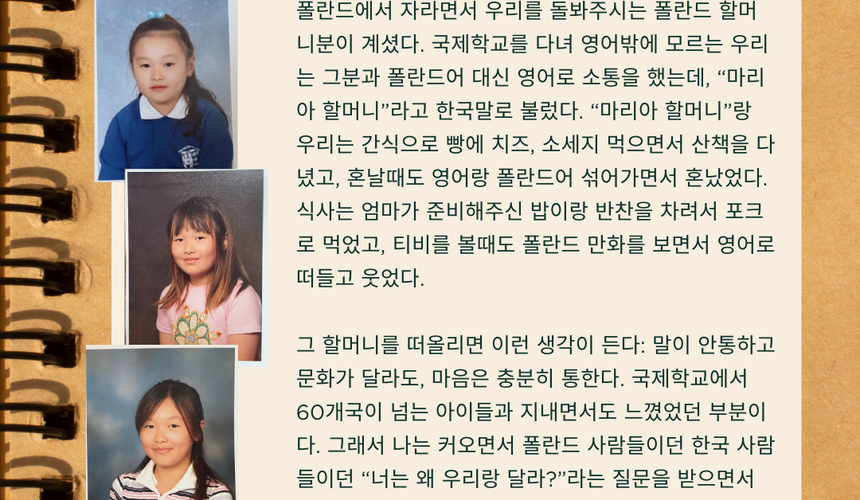


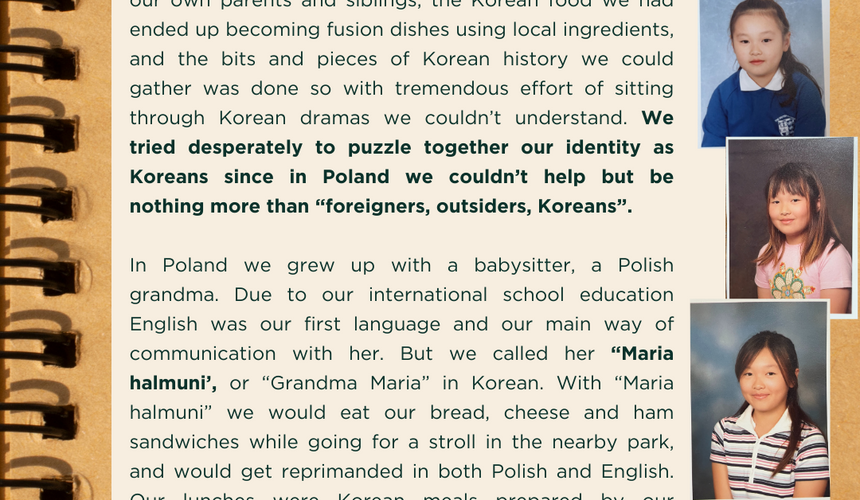


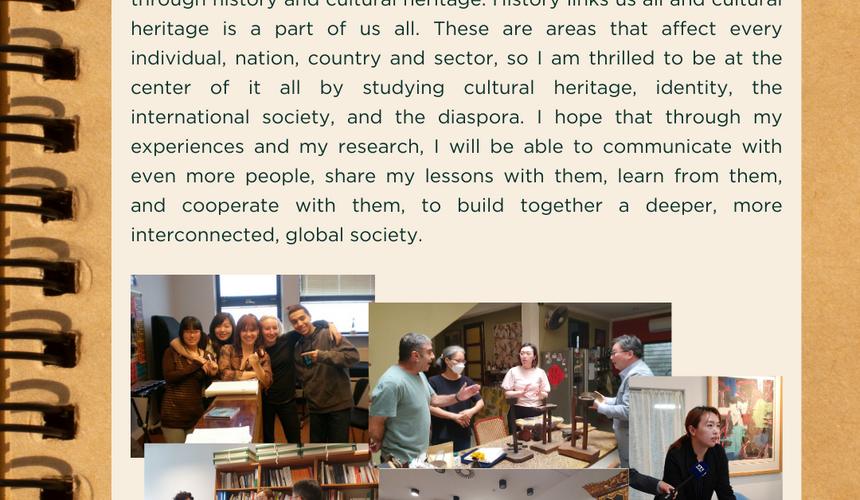

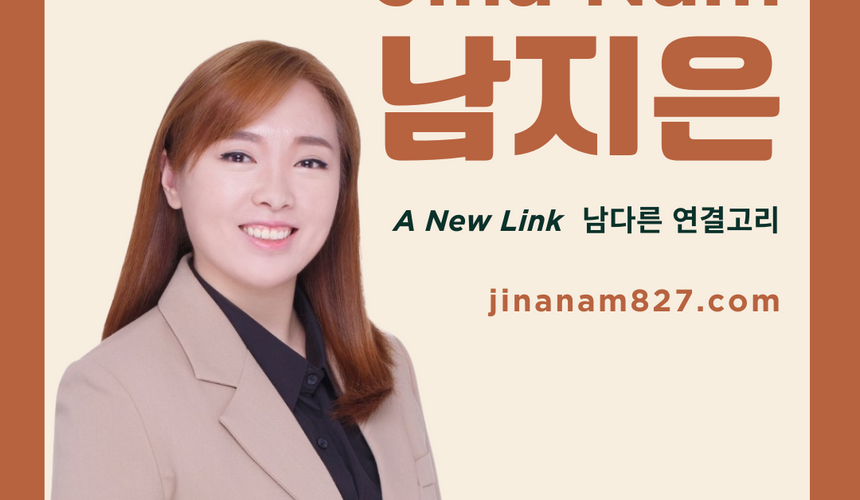
“폴란드에서 온 지나”
엄마가 “지은아~”라고 부르는 소리를 폴란드 사람들은 “지나”로 들어 3살인 나를 그렇게 부르기 시작했다. “지나”, 영어로는 Gina 또는 Jina라는 이름도 있으니 엄마는 내 영어 이름을 “지나”로 정하셨다. 그리하여 “남지은”이 “Jina Nam”이 되었고, 나는 3살때부터 지금까지 두 개의 이름을 가지고 살고 있다.
폴란드로 처음 간건 기억이 잘 안난다. 인천공항까지 나온 할아버지와 작은아빠랑 찍은 사진들을 봐도 그 현장 기억이 없다. 다만 기억이 나는건, 아빠가 먼저 폴란드에 가 계셨고 지금처럼 폴란드-한국 직항이 없어서 독일에서 환승하여 탄 작은 비행기에서 엄마랑 남동생은 같이 앉게 되고 나만 따로 앉아야 됐었다. 짧은 비행이지만 따로 앉아야된다는게 싫은 나는, 계속 엄마 옆에 앉아 있는 1살도 안된 남동생을 째려보고 징징되자, 출장가시는 한국 아저씨분이 감사하게도 자리를 바꿔주셨다.
폴란드에 있는 국제유치원을 다니기 시작했고, 말은 한국말부터 했으나 쓰는건 영어로 먼저 쓰게 되었고, 이후로도 국제학교를 다니면서 다양한 나라와 배경에서 온 친구들과 자랐다. 한국 친구들도 몇명 있었는데, 부모님이 대사관 또는 회사 주재원이셔서 2-3년 뒤에 떠나곤 했다. 한국 친구들과 친해지면 가고, 남은건 외국친구들이어서 고등학교 졸업때까지 한국친구들보다 외국친구들이 더 많았고 친했다. 유일하게 남은 한국친구는 나랑 똑같이 1997년도에 폴란드로 온 한국 친군데, 지금까지도 단짝친구다.
단짝친구랑 폴란드 생활 얘기를 하면 재밌다. 폴란드에서 먹었던 간식, 말이 안통해서 일어났었던 사건사고, 그리고 같이 처음으로 한국와서 경험 했었던 해프닝들. 생긴건 한국사람이나 내면은 한국, 폴란드, 미국, 영국과 수많은 문화가 섞여있다. 이런 상황을 이해해주는건 서로, 같은 동포 또는 영어로는 “제3문화의 아이들”(third-culture kids)이다.
폴란드에서의 생활이 좋고 재밌었지만 어떤면으로 어렵고 외로웠는지 말안해도 서로 공감해줄수 있다. 주변에 한국사람들은 가족뿐, 음식도 현지재료로 활용한 퓨전한식, 그리고 한국문화와 역사를 조금이라도 알기 위해서 힘들게 찾아본 한국 드라마들. 한국인으로서 정체성을 채워나가기 위해 노력했으나 너무 부족했고, 그럼에도 폴란드에서 우리는 폴란드 사람이 아니라 “외국인, “한국인”이었다.
폴란드에서 자라면서 우리를 돌봐주시는 폴란드 할머니분이 계셨다. 국제학교를 다녀 영어밖에 모르는 우리는 그분과 폴란드어 대신 영어로 소통을 했는데, “마리아 할머니”라고 한국말로 불렀다. “마리아 할머니”랑 우리는 간식으로 빵에 치즈, 소세지 먹으면서 산책을 다녔고, 혼날때도 영어랑 폴란드어 섞어가면서 혼났었다. 식사는 엄마가 준비해주신 밥이랑 반찬을 차려서 포크로 먹었고, 티비를 볼때도 폴란드 만화를 보면서 영어로 떠들고 웃었다.
그 할머니를 떠올리면 이런 생각이 든다: 말이 안통하고 문화가 달라도, 마음은 충분히 통한다. 국제학교에서 60개국이 넘는 아이들과 지내면서도 느꼈었던 부분이다. 그래서 나는 커오면서 폴란드 사람들이던 한국 사람들이던 “너는 왜 우리랑 달라?”라는 질문을 받으면서도, 사람들간의 차이점은 있지만 공통점도 분명히 있다는 인식으로 살았다.
그래서 “차이점”에 중점을 두고 심리학과 국제학 공부를 시작했지만, 그 기반으로 이제는 “공통점”에 집중을 두어 역사와 문화유산을 연구하고 있다. 역사는 우리 모두를 연결해주고, 문화유산은 우리 모두의 일부이다. 모든 사람, 민족, 국가와 분야에 영향을 끼치는 주제로서 나는 문화유산과 정체성, 국제사회, 그리고 동포를 연구할수 있다는 것이 감사하다. 내가 지금까지 겪어 왔었고 배운 것을 통해 많은 사람들과 소통하고, 협력하고, 좀 더 깊은 사회를 만들어 나갈수 있게 기여하고 싶은 마음이다.
“Jina from Poland”
My English name “Jina” comes from a misunderstanding. In Korean, you call someone by their name and usually end with an “ah” sound at the end. Upon hearing my mom call me “Jieun-a”, Polish people would hear it as “Jina” and call me so. Being only 3 years old, I naturally assumed the two sounds referred to the same thing - myself - and responded positively, to which my mother then conveniently decided to keep as my English name. And so since then I have lived with the two names.
I don’t remember our process of moving to Poland. I recently found a photo of me at the airport with my granddad and uncle as they had come to bid us farewell, but I don’t recall any of it. What I do remember is that I was traveling from Korea to Poland with my mom and baby brother, and because there was no direct flight back then we transferred from Frankfurt, Germany. The flight from Germany to Poland was less than 2 hours so the plane was small and I had to sit away from my mom and brother. I remember looking back and glaring at my clueless 1-year old brother for sitting with our mother, and how a kind Korean businessman offered to switch seats with me as he could see I was shaking with rage and on the verge of tears.
My life in Poland started at an international kindergarten, and so even though I’d started speaking in Korean first I started writing in English. My elementary through high school education was all at international schools so I grew up with kids from various countries and backgrounds. I had a few Korean friends as well but because their parents were diplomats or a part of big Korean companies, they’d leave Poland after 2-3 years. Naturally I became closer with the foreign friends who stayed longer and grew up with me, rather than Korean friends. One Korean friend that I did grow up with is a girl whose family also moved to Poland at the same time as ours, and she remains my best friend to this day.
It’s fun when she and I reminisce about our childhood in Poland. The snacks we used to eat, the misunderstandings that arose because of the language barrier, and the funny happenings that occurred when we moved back to Korea for the first time. On the outside we may look Korean, but on the inside we are an amalgam of Korean, Polish, American, British and many more cultures. On top of the memories we share, it's this silent understanding that we have, growing up as overseas Koreans, a part of the diaspora, as third-culture kids.
We know that growing up abroad was great and fun, but we can also relate to the difficult and lonely moments. Usually the only Korean people we had growing up were our own parents and siblings, the Korean food we had ended up becoming fusion dishes using local ingredients, and the bits and pieces of Korean history we could gather was done so with tremendous effort of sitting through Korean dramas we couldn’t understand. We tried desperately to puzzle together our identity as Koreans since in Poland we couldn’t help but be nothing more than “foreigners, outsiders, Koreans”.
In Poland we grew up with a babysitter, a Polish grandma. Due to our international school education English was our first language and our main way of communication with her. But we called her “Maria halmuni’, or “Grandma Maria” in Korean. With “Maria halmuni” we would eat our bread, cheese and ham sandwiches while going for a stroll in the nearby park, and would get reprimanded in both Polish and English. Our lunches were Korean meals prepared by our mothers, which we would eat with forks because of our poor chopstick skills. We’d watch English cartoons dubbed in Polish and talk about it in English and Korean.
When I think back at those times and as “Maria halmuni”’s face drifts up from my memories, I realize once more that though our languages may have been different, our cultures different as well, we could still connect with each other. That’s how kids of over 60 nationalities could grow up and learn together at our international schools. So even though I’d grown up being asked, “Why are you different from us?” from both Korean and Polish people, I always knew that despite differences among people there is always a point of connection.
I started studying psychology and international studies with a focus on such “differences” at first, but this became a foundation for my future studies which evolved into focusing on “similarities” found through history and cultural heritage. History links us all and cultural heritage is a part of us all. These are areas that affect every individual, nation, country and sector, so I am thrilled to be at the center of it all by studying cultural heritage, identity, the international society, and the diaspora. I hope that through my experiences and my research, I will be able to communicate with even more people, share my lessons with them, learn from them, and cooperate with them, to build together a deeper, more interconnected, global society.
![[먼데이타임스] 문화유산복지재단 남지은 연구원](https://static.wixstatic.com/media/20b402_1f4d52b5045140f1aa7cf78ed0d1d508~mv2.png/v1/fill/w_769,h_791,al_c,q_90,enc_avif,quality_auto/20b402_1f4d52b5045140f1aa7cf78ed0d1d508~mv2.png)
![[JTV뉴스] 조국혁신당 국민오디션 ⑥ 남지은 문화유산회복재단 연구원](https://static.wixstatic.com/media/20b402_376015da797e484a9b0107ba4dd5a4b4~mv2.png/v1/fill/w_768,h_713,al_c,q_90,enc_avif,quality_auto/20b402_376015da797e484a9b0107ba4dd5a4b4~mv2.png)
![[KBS대전] 숨겨진 문화유산을 회복하는 사람들 – 문화유산회복재단 / KBS대전 20240208 방송](https://static.wixstatic.com/media/20b402_3d45b399df9d4c32bd8ef11dca47de21~mv2.png/v1/fill/w_753,h_881,al_c,q_90,enc_avif,quality_auto/20b402_3d45b399df9d4c32bd8ef11dca47de21~mv2.png)